
Ijen Crater Tour 2026: The Definitive Guide for Explorers
Witness the ethereal electric blue fire and the world’s largest acidic crater lake in the heart of East Java. This authoritative guide covers everything from logistics to photography for the modern adventurer.
Ijen Crater is located in East Java, Indonesia, best visited during the dry season (April to October) for optimal hiking conditions. The trek involves a 3-kilometer uphill hike to the rim, where visitors can witness the rare blue fire phenomenon and a stunning turquoise acid lake before sunrise.
- Comprehensive Overview of Mount Ijen
- How to Get There: Logistics & Routes
- The Best Time to Visit for Blue Fire
- Top Highlights & Panoramic Viewpoints
- Expert Tips, Packing & Safety Preparation
- Photography Guide for Professionals
1. Comprehensive Overview of Ijen Crater
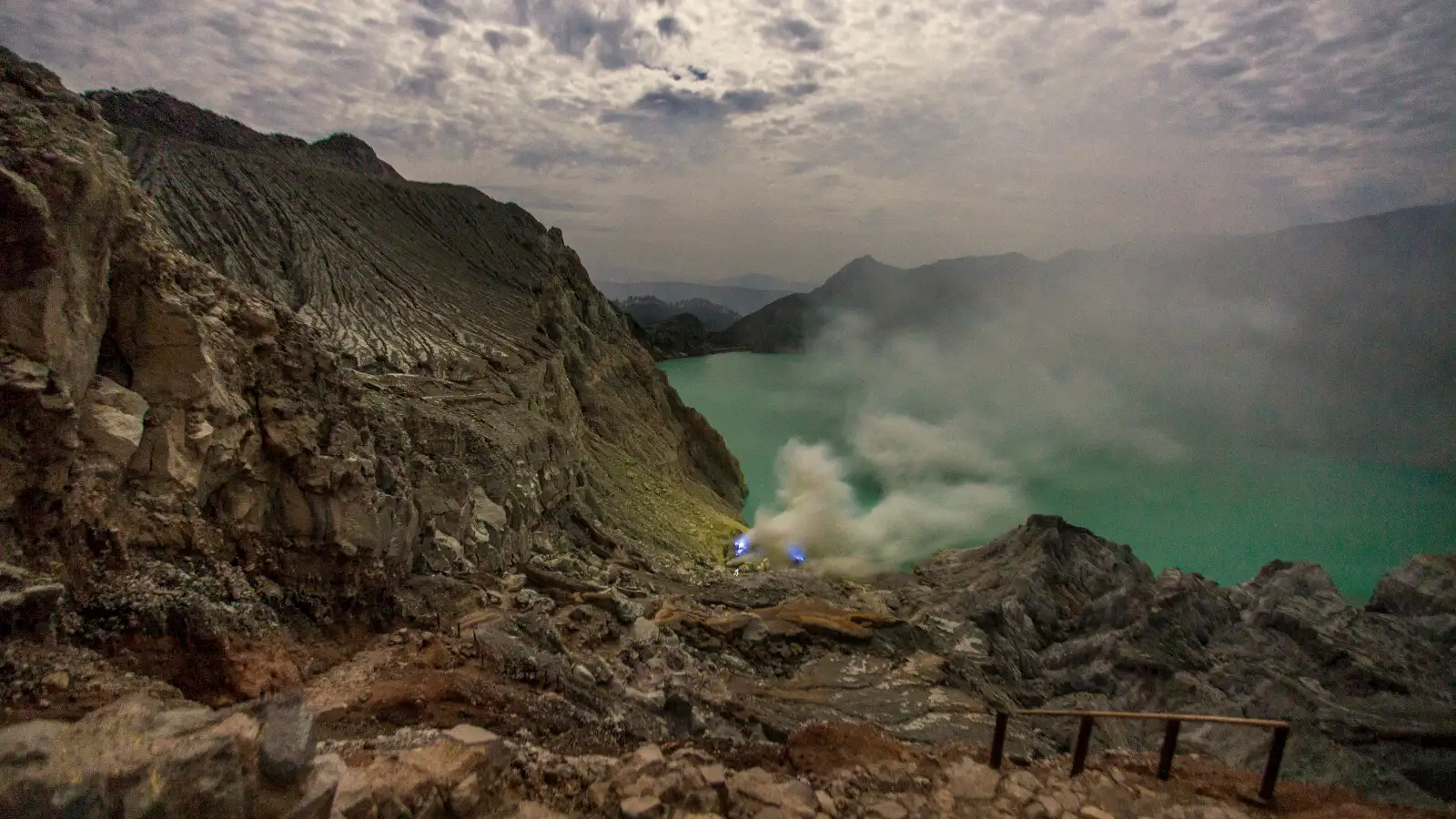
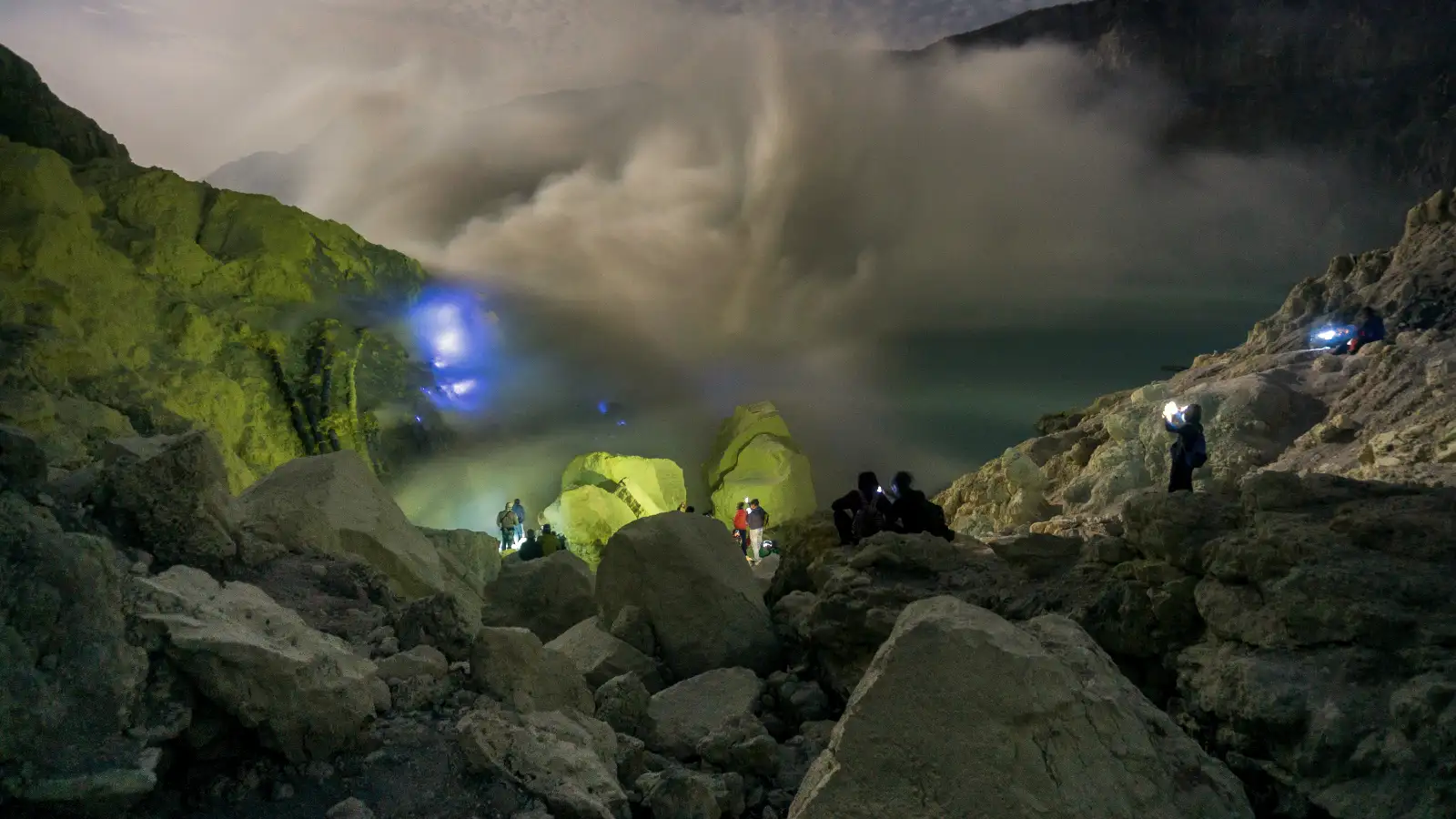
Mount Ijen, part of the Ijen volcano complex in East Java, is one of the most surreal landscapes on Earth. Unlike the iconic cone of Mount Bromo, Ijen is famous for its massive, 1-kilometer-wide turquoise acid lake and the legendary “Blue Fire.” This phenomenon occurs when sulfuric gases emerge from volcanic vents at temperatures up to 600 degrees Celsius, igniting upon contact with the air to create an electric blue glow visible only in total darkness.
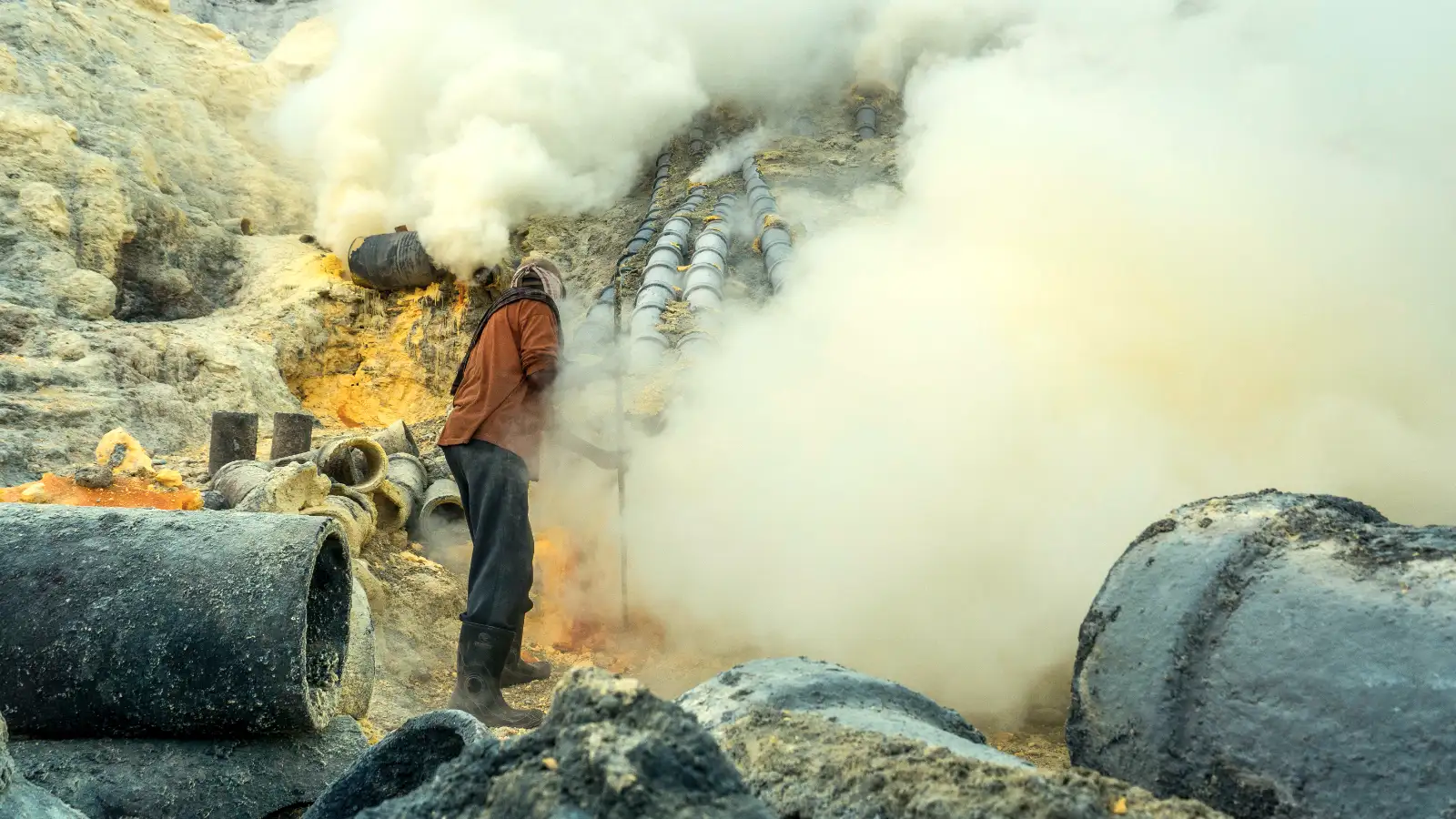
The history of Ijen is deeply intertwined with the local sulfur mining industry. For decades, miners have descended into the active crater to harvest solidified sulfur, carrying loads of up to 90 kilograms on their shoulders in bamboo baskets. This grueling labor is a stark contrast to the natural beauty that attracts thousands of travelers annually. Booking an Ijen Crater tour allows you to witness this intersection of geological wonder and human resilience firsthand.
Geologically, the Ijen plateau is a vast caldera, a remnant of a much larger volcano that collapsed thousands of years ago. Today, it remains one of the most active solfatara fields in Indonesia. The lake itself is a marvel of chemistry, with a pH level of approximately 0.5, making it the largest highly acidic lake in the world. Understanding these facts is essential for any traveler looking to appreciate the depth of this destination beyond just a social media photo.
Many travelers assume the “Blue Fire” is lava; it is actually a chemical reaction of sulfuric gas. To see it safely, you must monitor the wind direction. If the wind shifts the toxic sulfur clouds toward the path, local guides will halt the descent into the crater. Always prioritize the guide’s instructions over a photo opportunity, as sulfur dioxide concentration can fluctuate rapidly near the vents.
2. How to Get There: Logistics & Routes
Reaching the Ijen plateau requires careful planning, as it is situated in a relatively remote corner of East Java. The primary gateway is the town of Banyuwangi, which is well-connected to Bali and other Javanese cities. Most travelers opt for an Ijen Crater tour from Banyuwangi because it offers the shortest drive (about 1.5 hours) to the Paltuding base camp, where the hike begins.
Traveling from Bali
For those coming from the Island of the Gods, an Ijen Crater tour from Bali is a popular choice. This route involves a drive to Gilimanuk port, a 45-minute ferry crossing to Ketapang (Banyuwangi), and then a drive to the mountain. It is a long journey, often starting in the evening to reach the crater rim by dawn, but it is the most convenient way to bridge the two islands.
Traveling from Surabaya or Malang
If you are exploring the wider East Java region, you might consider a multi-day itinerary. Many adventurers combine Ijen with other volcanic landmarks. A Bromo Ijen tour typically starts in Surabaya or Malang, taking you through the sea of sand at Bromo before heading east to Ijen. For the ultimate nature experience, the Bromo Ijen Tumpak Sewu tour adds Indonesia’s most spectacular waterfall to the mix.
3. The Best Time to Visit
Timing is everything when planning your ascent. According to the official Indonesia Tourism board, the dry season from April to October is the most reliable window. During these months, the trails are dry and less slippery, and the sky is generally clear, providing the best visibility for the sunrise and the blue fire.
Visiting during the wet season (November to March) is possible but comes with challenges. Heavy rains can make the 3-kilometer hike treacherous and often lead to thick fog that obscures the view of the lake. Furthermore, the local authorities occasionally close the trail if volcanic activity increases or if weather conditions become dangerous. Always check for local updates before departing from your hotel.
Explore Specific Ijen Crater Tour Packages
Ready to plan your trip? Explore our curated packages departing from various cities to find the perfect fit for your itinerary. Whether you are looking for a quick day trip or a comprehensive East Java expedition, we have you covered.
Ijen Crater Tour (Standard)
Ijen Tour from Banyuwangi
Ijen Tour from Bali
East Java Tour Package
4. Top Highlights & Viewpoints
The Ijen experience is divided into several distinct phases, each offering a unique visual reward. To see everything, most tours begin at 2:00 AM from the Paltuding base camp.
- The Electric Blue Fire: Located at the bottom of the crater near the sulfur vents. To see this, you must descend a steep, rocky path from the rim. It is a rare sight found in only two places on Earth.
- The Acidic Lake: As the sun rises, the dark abyss transforms into a vibrant turquoise lake. The contrast between the yellow sulfur rocks and the blue water is a photographer’s dream.
- Sunrise at the Rim: If you choose not to descend into the crater, the rim offers a 360-degree view of the surrounding peaks, including Mount Raung and Mount Merapi (East Java’s version).
- The Sulfur Miners: Witnessing the strength and endurance of the miners is a humbling experience. Many are happy to chat or pose for photos in exchange for a small tip or a cigarette.
5. Expert Tips, Packing & Safety Preparation
This is not a casual walk in the park. The hike to Ijen is a moderate to difficult trek that requires physical fitness and the right gear. The first 2 kilometers are a steady uphill climb on a wide dirt path, while the final kilometer to the rim is flatter. The descent into the crater is the most challenging part, involving steep, uneven rocks.
What to Pack
Preparation is key to enjoying your East Java tour package. Temperatures at the summit can drop to 5-10 degrees Celsius before sunrise, so layering is essential. Here is a mandatory checklist:
- Gas Mask: Essential for protecting your lungs from the toxic sulfur fumes. Most tour operators provide these.
- Headlamp: You will be hiking in total darkness for at least two hours.
- Hiking Boots: Good grip is non-negotiable, especially for the descent into the crater.
- Warm Layers: A windbreaker, fleece, and gloves will keep you comfortable while waiting for sunrise.
- Water and Snacks: There are no shops at the top, only a small canteen at the base camp.
6. Photography Guide for Professionals
For photographers, Ijen is one of the most challenging yet rewarding locations in Southeast Asia. Capturing the blue fire requires a tripod and a fast lens (f/2.8 or wider). Because you are shooting in low light with moving gas clouds, long exposures can be tricky. Aim for shutter speeds between 5 and 15 seconds, and be prepared to clean your lens frequently, as the acidic mist can leave a residue on your glass.
Once the sun comes up, use a wide-angle lens to capture the scale of the caldera. The leading lines of the crater rim and the dramatic steam rising from the lake provide endless composition possibilities. Remember to keep your camera equipment protected in a sealed bag when not in use to prevent sulfur particles from entering the body.
Need Help Planning Your Trip?
Our local travel experts are ready to customize the perfect itinerary for your adventure.
Frequently Asked Questions
1. Is it safe to visit the Ijen Crater?
Yes, it is generally safe as long as you follow the guidance of local rangers and guides. Wearing a gas mask is mandatory to protect against sulfur dioxide fumes. Always check the volcanic activity status before your trip.
2. Can I see the blue fire every night?
The blue fire is a natural phenomenon and depends on volcanic activity and weather. It is usually visible every night, but heavy rain or thick sulfur clouds can sometimes obscure it.
3. How difficult is the hike to Ijen?
The hike is considered moderately difficult. It is a 3km uphill trek that takes about 1.5 to 2 hours. The path is well-maintained but steep in the beginning sections.
4. What is the best time of year to visit?
The best time is during the dry season, from April to October. During this time, the weather is more predictable, and the views are clearer compared to the rainy season.
5. Do I need a guide for the Ijen Crater tour?
While experienced hikers can go independently, hiring a guide is highly recommended for safety, especially for the night hike and descending into the crater to see the blue fire.