
How to Get from Bali to Ijen Crater: The Ultimate Guide for Travelers
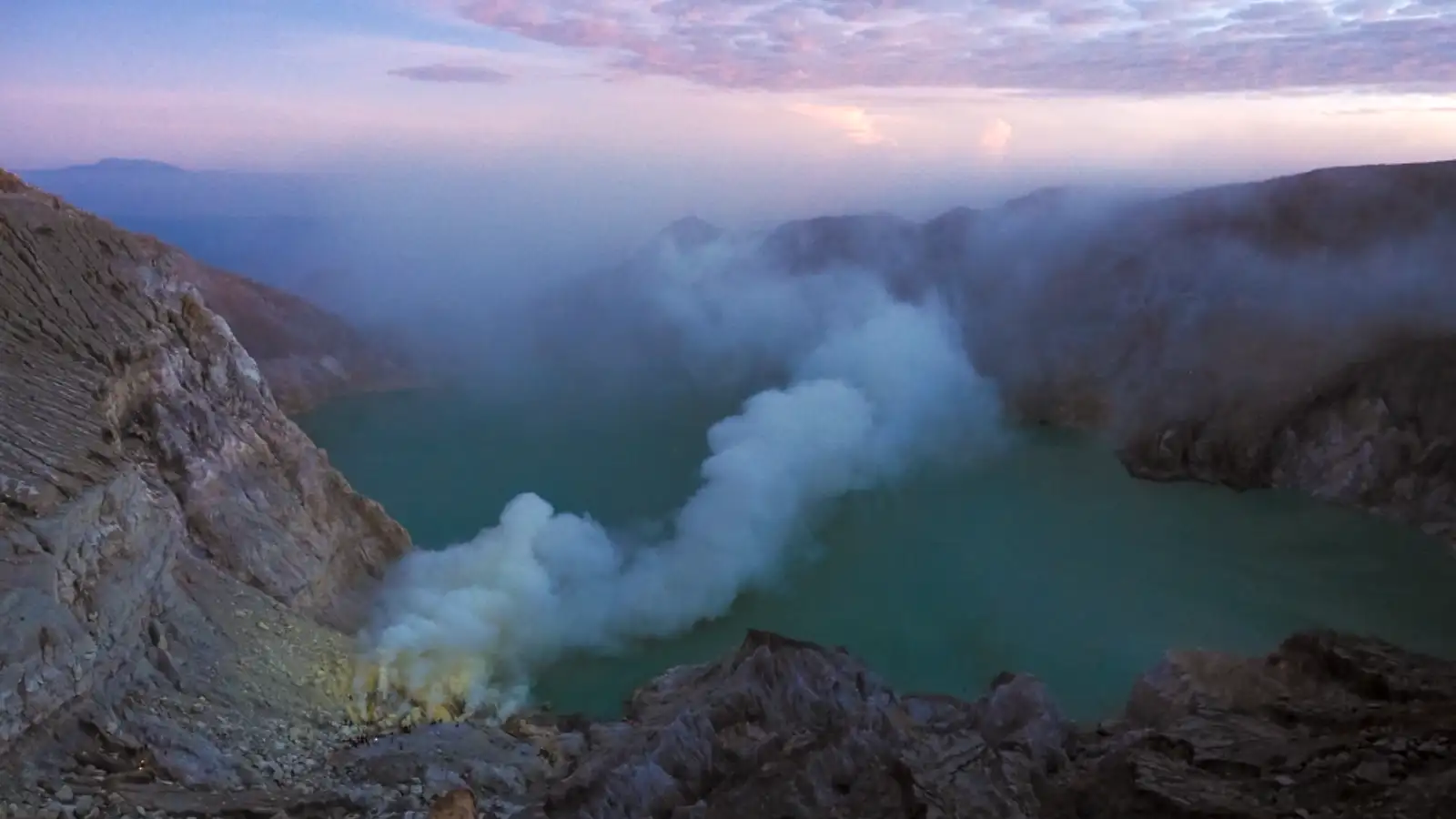
Escaping the tropical beaches of Bali for the volcanic peaks of East Java sounds like a dream. But here’s the trick: navigating the logistics between these two islands can feel like a daunting puzzle. Many travelers worry about missing the midnight ferry or getting stranded without reliable transport in the middle of the night.
Truthfully, the journey involves more than just a quick boat ride. You need to coordinate private drivers, ferry tickets, and local base camp transfers while battling exhaustion. Luckily, this comprehensive blueprint simplifies everything, ensuring you reach the world-famous blue flames without a single headache.
Ultimately, your adventure starts the moment you decide to leave the Bali coastline behind. If you are ready to swap the surf for a premium Ijen crater tour from Bali, we have the exact route mapped out for you below.
What You Need to Know
Reaching Ijen requires crossing from West Bali to East Java via the Gilimanuk-Ketapang ferry. The entire trip from Ubud or Seminyak takes approximately 6 to 8 hours. Most travelers opt for a Mount Ijen tour from Bali to handle the complex midnight logistics and safety gear requirements.
Table of Contents
Understanding the Geography: Bali to Java
Mapping out your route is the first step toward a successful volcanic trek. In fact, Ijen Crater sits on the easternmost edge of Java, making it surprisingly accessible from Bali. The two islands are separated by the narrow Bali Strait, which serves as a bustling gateway for travelers.
Even better, the proximity means you can technically visit Java and return to Bali within 24 hours. Most of the travel time is spent driving along the scenic but winding roads of West Bali National Park. This lush greenery eventually leads you to the port of Gilimanuk.
Where exactly is Ijen Crater?
Located in the Banyuwangi Regency, Ijen is part of a massive volcanic complex. It is famous for hosting one of the world’s largest highly acidic lakes. According to geological records, the crater rim sits at an elevation of 2,386 meters.
Keep in mind that the hike starts at the Paltuding base camp. This is where your land transport from the ferry port will drop you off. The transition from the sea-level heat of the port to the mountain chill happens very quickly.
The Bali to Java Connection
Surprisingly, the ferry between the islands operates 24 hours a day, 7 days a week. This constant availability allows for the late-night departures necessary to catch the sunrise. Most tours will leave Bali around 7:00 PM or 8:00 PM to ensure a timely arrival.
Plus, the cultural shift between Hindu Bali and Islamic Java is immediately noticeable. You will hear the call to prayer echoing across the water as you approach the Ketapang port. It adds a beautiful layer of cultural immersion to your physical adventure.
Top 3 Transport Options Explained
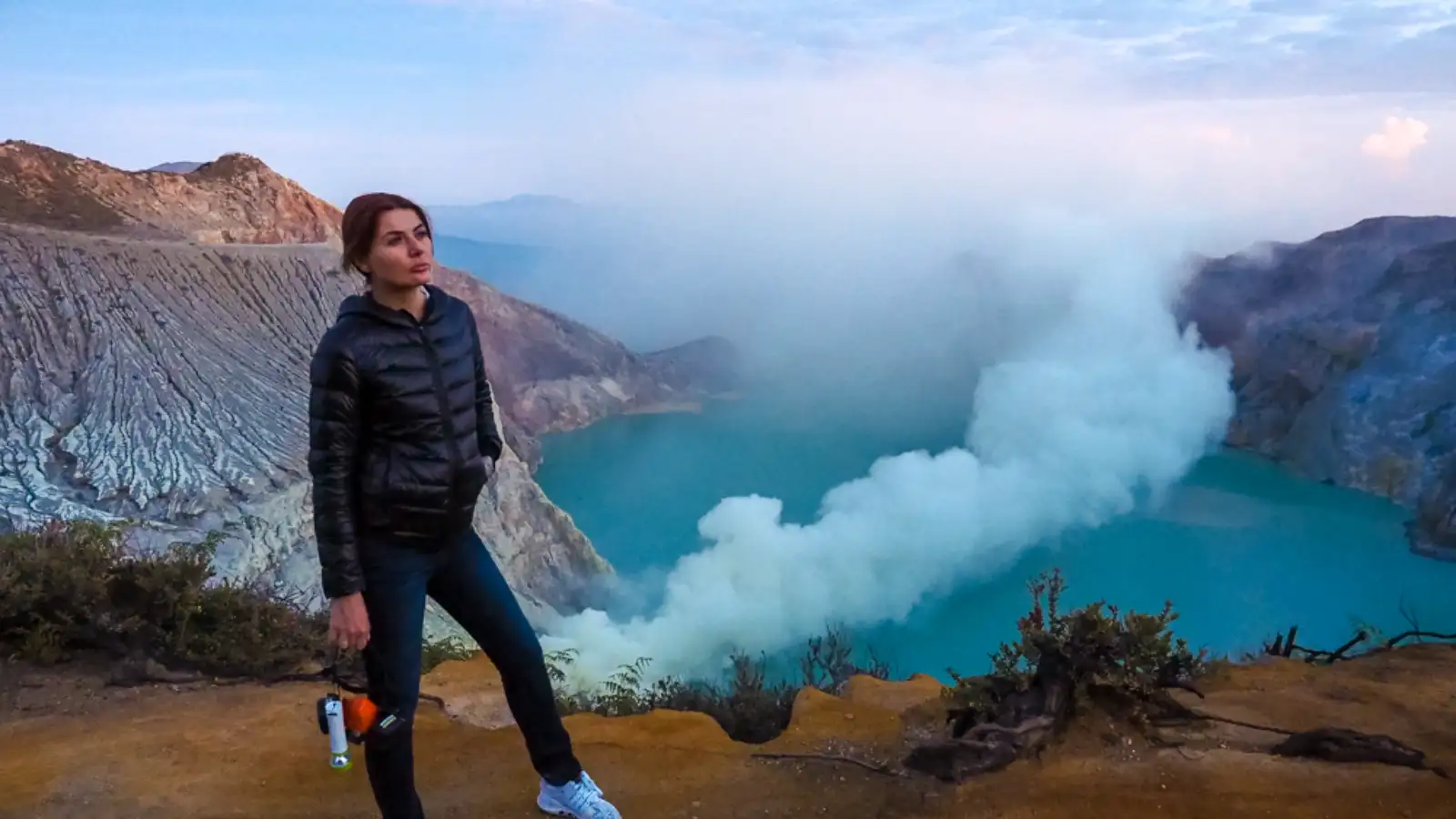
Choosing how to get there depends largely on your budget and desired comfort level. To be honest, the “best” way is almost always a private organized tour. This is because public transport in East Java can be notoriously difficult to navigate after midnight.
That being said, backpackers on a tight budget still find ways to make the DIY route work. Each method offers a different perspective on the Indonesian landscape. Let’s break down the most popular choices for international travelers.
1. Private Car with Driver (The Luxury Choice)
Booking a Mount Ijen tour from Seminyak often includes a private SUV. This is the most seamless way to travel, as your driver handles the ferry tickets and port queues. You can sleep in the back seat during the long drive through Bali.
Naturally, this is the most expensive option but offers the highest safety standards. You won’t have to worry about negotiating with local “guides” at the port. Your driver remains with you until you return to your hotel in Bali.
2. Shared Group Tours (The Social Choice)
If you are looking for an Ijen tour package from Canggu, shared vans are very popular. These trips allow you to split the cost of the vehicle with other travelers. It is a fantastic way to meet fellow adventurers from around the world.
Of course, shared tours follow a strict schedule that you must adhere to. You will likely be picked up from a central meeting point or specific hotel clusters. This is the perfect middle ground between high-end luxury and stressful DIY travel.
3. DIY Public Transport (The Backpacker Choice)
Traveling independently requires taking a local bus from Denpasar to Gilimanuk. From there, you walk onto the ferry and catch a “bemo” (local minibus) in Java. Truthfully, this is only recommended for very experienced travelers with plenty of time.
As a result, you might save money but lose out on sleep and safety. Finding a ride from the Ketapang port to the Paltuding base camp at 1:00 AM is difficult. Often, the cost of individual segments adds up to nearly the price of a budget tour.
Unlock the Ultimate East Java Experience
Don’t just read about it. Let our expert local guides handle the logistics while you enjoy a seamless, premium adventure.
The Ferry Crossing: Gilimanuk to Ketapang
Navigating the ferry is often the most confusing part of the trip for foreigners. In fact, the port of Gilimanuk can feel chaotic with hundreds of trucks and scooters. Luckily, if you are on a Mount Ijen tour from Bali, you rarely have to step out of your car.
During the crossing, you can head to the upper deck to catch the sea breeze. The journey across the strait takes approximately 45 to 60 minutes. Keep in mind that East Java is one hour behind Bali, so remember to adjust your watch.
Ferry Schedule and Frequency
Ferries depart roughly every 20 to 30 minutes throughout the day and night. Because of this high frequency, you never really need to book a specific “time slot.” If you miss one boat, the next one is already docking behind it.
Surprisingly, the midnight crossings are often the busiest with tour vans heading to the volcano. The atmosphere is electric as dozens of hikers prepare for the climb. It is a shared moment of anticipation before the physical challenge begins.
Tickets and Pricing
For those traveling DIY, you must purchase tickets using an “e-money” card. Cash is no longer accepted at the main ticket booths for passengers. This is another reason why organized tours are preferred, as they manage these digital payments for you.
Plus, the price for a foot passenger is very low, usually around 10,000 IDR. If you are bringing a private car, the price jumps significantly. Always ensure your driver has the proper permits to take a Bali-registered vehicle into Java.
Best Starting Points in Bali
Where you start your journey in Bali significantly impacts your departure time. For instance, a Ijen crater tour from Ubud requires an earlier start than from Pemuteran. Most travelers don’t realize how large Bali actually is.
Ultimately, the drive across Bali is a long trek through rural villages and coastal roads. It is beautiful, but it can be exhausting if you haven’t rested properly. Choosing the right base in Bali is key to managing your energy levels.
Departing from Ubud or South Bali
If you are staying in Ubud, Seminyak, or Canggu, expect a 4-hour drive to the port. Most tours will pick you up around 7:00 PM to arrive in Java by midnight. This allows enough time for the ferry crossing and the final drive to the volcano base.
In fact, this long transit is why many people combine Ijen with a Mount Bromo tour. If you are going to travel that far, it makes sense to see both iconic volcanoes. It turns a long day trip into a multi-day volcanic safari.
The Pemuteran Advantage
Staying in Northwest Bali, specifically Pemuteran, is a brilliant “hack” for this trip. You are only about 30 minutes away from the Gilimanuk ferry port. This means you can have a full dinner and a few hours of sleep before leaving at 11:00 PM.
Luckily, Pemuteran is also home to incredible snorkeling and diving. It serves as a peaceful gateway for those who want to minimize their time in a car. From here, the Bali to Mount Ijen day tour feels much more manageable and less rushed.
Budgeting Your Journey
Calculating the Bali to Kawah Ijen transport price involves several moving parts. You must account for the private driver, petrol, ferry fees, and the local Jeep or car in Java. To be honest, prices can fluctuate based on the season and group size.
Surprisingly, the “hidden” costs are what usually catch backpackers off guard. These include gas mask rentals, local trekking guides, and entrance fees for the national park. Always check if your tour package is “all-inclusive” to avoid these surprises.
Safety and Physical Preparation
Standing on the edge of an active volcano is exhilarating, but safety must come first. In fact, the sulfur fumes at Ijen can be overwhelming without a proper gas mask. Most premium tours provide high-quality respirators as part of the package.
Plus, the hike itself is moderately difficult. You will be climbing a steep dirt path for about 1.5 to 2 hours. Luckily, local “trolley” services are available for those who find the incline too challenging.
Important Update on Blue Fire Visibility
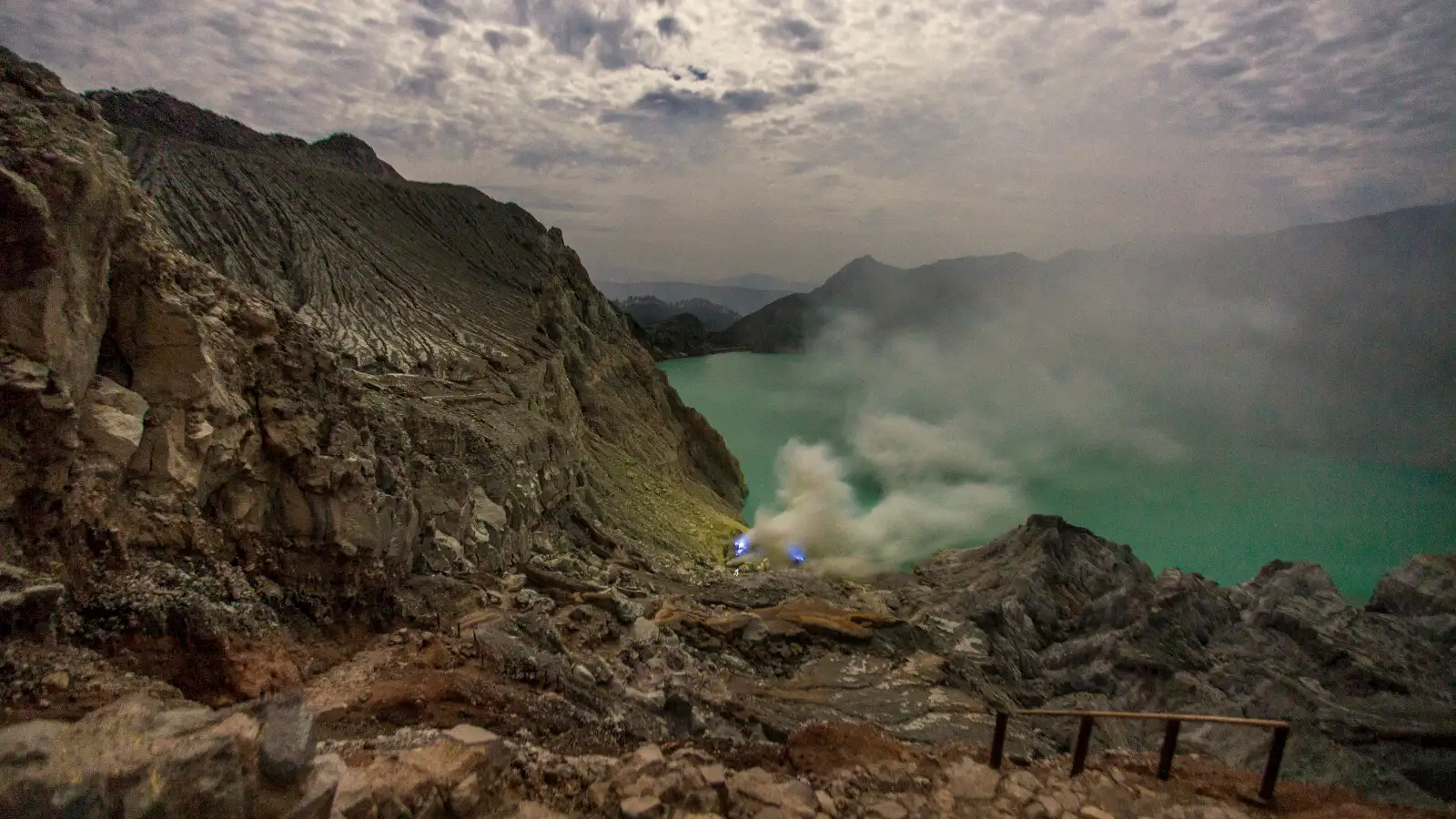
The appearance of the Blue Fire at Ijen Crater is highly unpredictable. It depends heavily on daily volcanic activity, gas density, and weather conditions. It is sometimes clearly visible, and sometimes not visible at all. To avoid disappointment, please contact us via WhatsApp to check the latest daily updates before you hike.
Essential Gear to Pack
Even though Bali is hot, Ijen is freezing at night. Temperatures at the summit can drop to 5°C (41°F) before sunrise. You must pack layers, including a windproof jacket and a warm hat.
Keep in mind that proper hiking shoes are non-negotiable. The path can be slippery, especially during the descent into the crater to see the blue flames. A headlamp is also essential for navigating the dark trails safely.
“According to our lead local guide, the biggest mistake travelers make is wearing flip-flops or light sneakers. The volcanic rock is sharp and the terrain is uneven. Proper footwear is the difference between an amazing sunrise and a twisted ankle.”
Choosing the Right Guide
Hiring a local guide is more than just a convenience; it is a safety requirement. These guides are often former sulfur miners who know every inch of the volcano. They can read the wind patterns to keep you away from toxic sulfur clouds.
Ultimately, a good guide ensures you reach the best viewpoints before the crowds arrive. They know the exact spots where the morning light hits the turquoise lake perfectly. Trusting a professional allows you to focus on the experience rather than the navigation.
Why Trust This Guide?
We aren’t just another travel blog; we are local operators with years of experience on the ground. Our team coordinates hundreds of Ijen crater tours every month. We see the road conditions, ferry delays, and volcanic changes in real-time.
In fact, our commitment to safety and premium service is why we are top-rated by international travelers. We prioritize local expertise and fair wages for our guides and drivers. When you book with us, you are supporting the local East Java community directly.
Continue Your Adventure
- Bromo Ijen Tour from Bali (3 Days)
- Ijen Crater Tour from Banyuwangi (Full Day)
- Bromo Ijen Tumpak Sewu Waterfall Tour
- Explore All East Java Tour Packages
Ready for the Adventure of a Lifetime?
Join thousands of happy travelers who have trusted us to deliver safe, luxurious, and unforgettable volcano tours across East Java.
Frequently Asked Questions
The total travel time from South Bali (Ubud/Seminyak) to the Ijen base camp is approximately 7 to 8 hours. This includes the drive to Gilimanuk, the ferry crossing, and the final drive in Java.
Yes, the ferry is a standard roll-on/roll-off vessel used by thousands of locals daily. It is equipped with life vests and seating areas, though it is quite basic by international standards.
Yes, many travelers opt for a 24-hour “express” tour. You leave Bali in the evening, hike for sunrise, and return to Bali the following afternoon. It is intense but very efficient.
Most tours depart between 7:00 PM and 8:00 PM. This ensures you reach the Paltuding base camp by 1:00 AM or 2:00 AM, allowing you to start the hike in time to see the Blue Fire before sunrise.
Absolutely. The sulfur dioxide gas emitted from the crater is toxic and can cause severe coughing or lung irritation. A professional respirator mask is essential for your safety and comfort.