Bromo vs Ijen Volcano: The Ultimate Guide for Travelers 2026
Planning an East Java adventure often leads to one difficult question: Bromo or Ijen? For most international travelers, the logistics of navigating remote Indonesian highlands feel incredibly overwhelming. Confusing train schedules, language barriers, and the fear of missing out on world-class views can turn a dream vacation into a stressful puzzle.
Truthfully, both peaks offer otherworldly experiences that look like scenes from a high-budget sci-fi movie. But here’s the trick: they satisfy very different types of wanderlust. Whether you seek the golden “Sea of Sand” or the electric blue flames of a sulfur mine, this blueprint ensures you make the right choice.
Naturally, your time is valuable, and you want to maximize every moment of your Indonesian journey. Our premium volcano tours eliminate the guesswork, providing seamless transport and expert local insight. Let’s dive into the details of these two giants to see which one deserves a spot on your bucket list.
What You Need to Know
Bromo is famous for its panoramic, cinematic sunrises and easy accessibility via Jeep. Ijen is legendary for its acidic turquoise lake and the rare “Blue Fire” phenomenon visible only in darkness. Most travelers choose a Bromo Ijen Tour to see both, as they are only a few hours apart.
Table of Contents
Visual Spectacle: Sunrise vs Blue Fire
The Drama of Mount Bromo
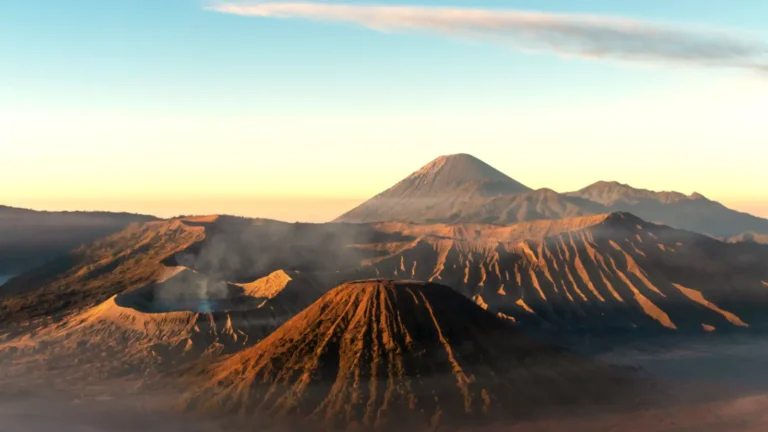
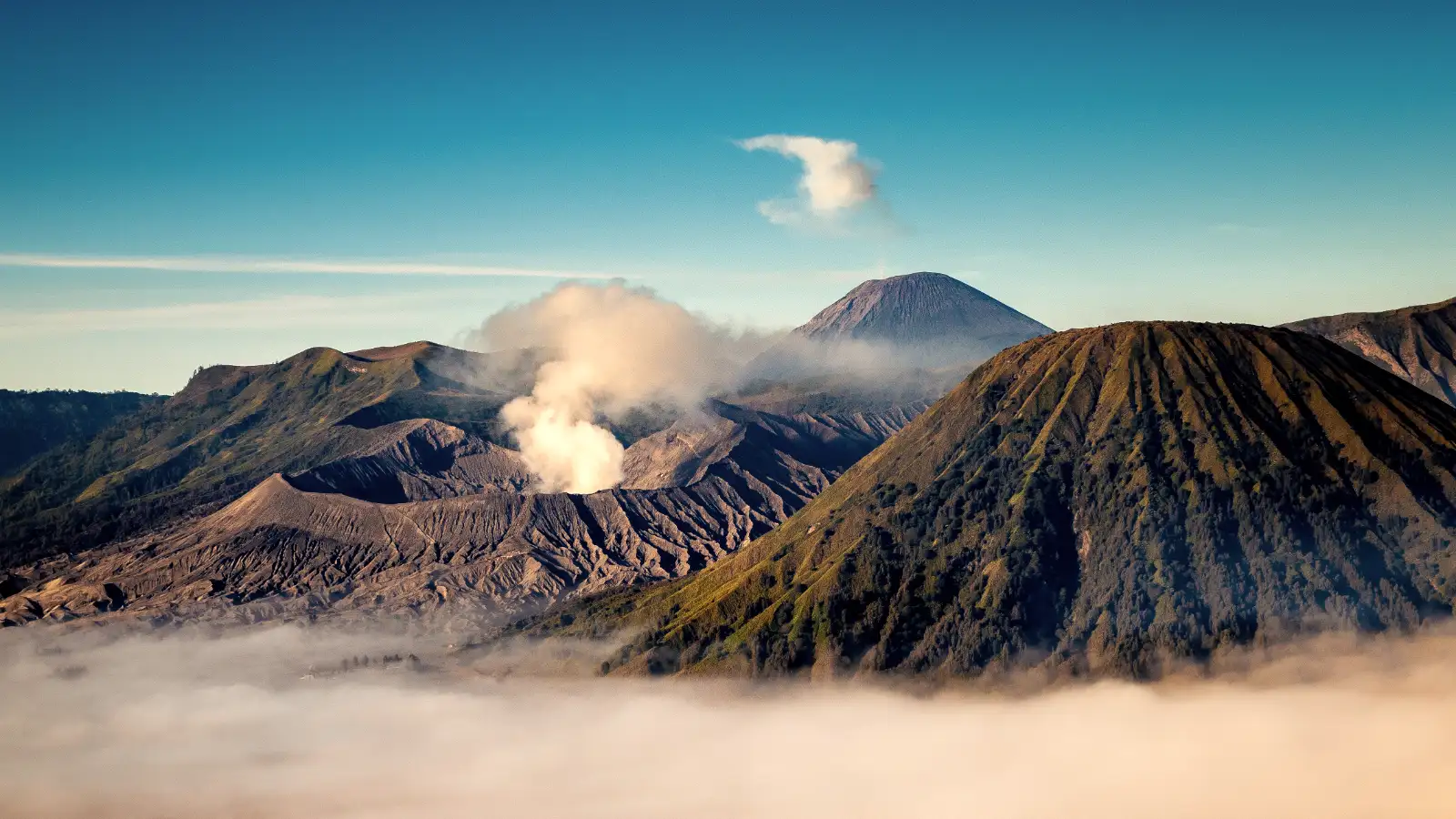
Imagine standing on a ridge as the first light touches a vast volcanic caldera. Mount Bromo isn’t just a single peak; it is part of the Tengger massif. This area looks like the surface of the moon, complete with swirling mist and a vast Sea of Sand.
Plus, the sheer scale of the landscape is breathtakingly beautiful. You will watch the sun illuminate Mount Semeru in the distance, puffing smoke into the crisp morning air. It is a photographer’s paradise where every angle feels like a masterpiece.
Luckily, the experience at Bromo is highly cinematic. You aren’t just looking at a volcano; you are looking at an entire prehistoric world. This makes it the preferred choice for those who want epic wide-angle shots and a classic “Indonesian sunrise” experience.
Ijen’s Electric Blue Flames
In contrast, Mount Ijen offers a much more intimate and mysterious vibe. It is home to one of the world’s most unique natural wonders: the Blue Fire. This phenomenon occurs when sulfuric gases ignite upon contact with the air at extreme temperatures.
Keep in mind that you must hike in the dead of night to see it. The sight of electric blue flames dancing along the crater floor is truly surreal. It feels more like a chemistry experiment on a massive, volcanic scale.
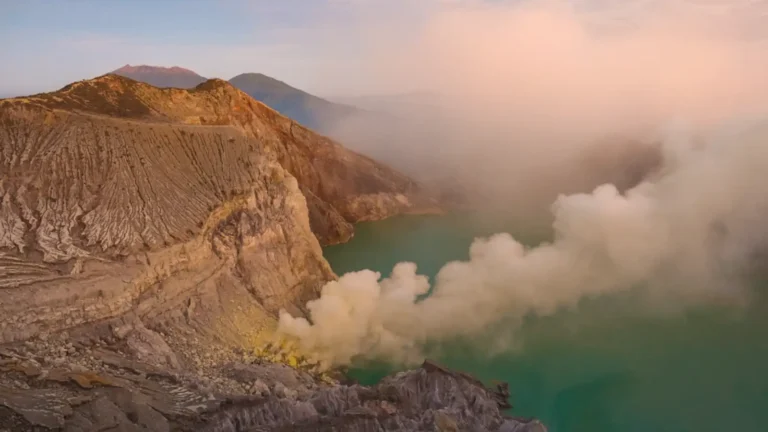
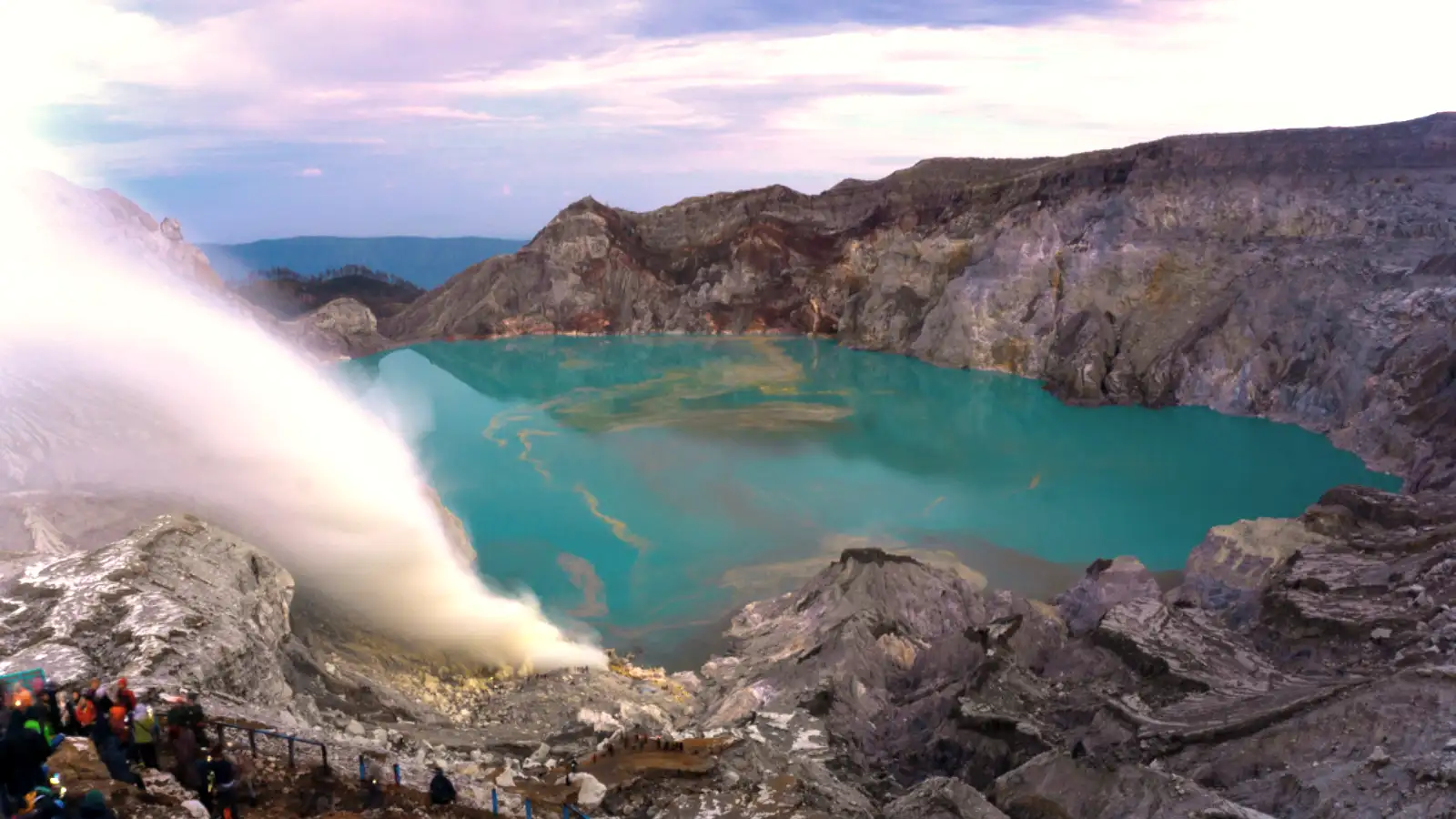
Even better, once the sun rises, the crater reveals a massive turquoise acid lake. This lake is the most acidic on Earth and creates a stunning contrast against the yellow sulfur rocks. Truly, the color palette at Ijen is unlike anything else in the Pacific Ring of Fire.
Important Update on Blue Fire Visibility
The appearance of the Blue Fire at Ijen Crater is highly unpredictable. It depends heavily on daily volcanic activity, gas density, and weather conditions. It is sometimes clearly visible, and sometimes not visible at all. To avoid disappointment, please Physical Difficulty and Hiking Logistics Surprisingly, Bromo is quite accessible for travelers of all fitness levels. Most visitors take a 4×4 Jeep to the King Kong Hill viewpoint for sunrise. This requires very little walking, making it perfect for luxury travelers or families. That being said, if you want to reach the actual crater rim, there is a short walk. You must cross the Sea of Sand and climb about 250 concrete stairs. To be honest, it is more of a dusty walk than a strenuous hike. Of course, you can even hire a local horse to take you to the base of the stairs. This reduces the physical strain significantly. As a result, Bromo is often seen as the “easier” of the two peaks. Conversely, Ijen requires a significantly higher level of physical effort. The trail is roughly 3 kilometers long and features a steep incline for the first half. You will be hiking on a dirt path that can be slippery after rain. Keep in mind that the real challenge begins at the crater rim. If you want to see the Blue Fire, you must descend into the crater. This involves navigating rocky, narrow paths in the dark while wearing a gas mask. Ultimately, the Ijen hike takes about 1.5 to 2 hours to reach the top. It is a rewarding trek, but it will certainly get your heart rate up. Backpackers and adventure seekers usually find this challenge more satisfying. Don’t just read about it. Let our expert local guides handle the logistics while you enjoy a seamless, premium adventure. For instance, the best time to visit both volcanoes is during the dry season. This typically runs from April to October. During these months, the skies are clear, and the views are panoramic. Keep in mind that the wet season (November to March) brings heavy rain and fog. This can completely obscure the sunrise at Bromo. Even worse, the path at Ijen becomes slippery and dangerous. In fact, clear weather is crucial for seeing the Blue Fire. Clouds or heavy rain can douse the visibility of the flames. Therefore, planning your trip for the middle of the dry season is always best. Surprisingly, both locations can get very crowded, especially on weekends and national holidays. If you prefer a quiet experience, try to visit on a Tuesday or Wednesday. Truthfully, the difference in crowd size is massive. Even better, a private tour can help you navigate the crowds. Local guides know the “secret” spots that most big tour groups overlook. This is especially helpful at Bromo’s many viewpoints. Luckily, the Ijen trail is wide enough to accommodate many people. However, the descent into the crater is narrow. Staying ahead of the main group by starting early is a smart move. Naturally, you need the right gear to enjoy these volcanic landscapes. For Bromo, a warm jacket is essential. Temperatures can drop to near-freezing levels before the sun comes up. Plus, a scarf or buff is helpful for the dust in the Sea of Sand. For Ijen, a professional-grade gas mask is mandatory if you descend into the crater. The sulfur fumes are thick and can be very irritating to your lungs. Luckily, our Ijen Crater tours provide high-quality gas masks for all guests. We also recommend wearing sturdy hiking boots with good grip. The volcanic ash and loose rocks require stable footwear. Truthfully, the altitude can affect some people, though neither peak is extremely high. Bromo sits at about 2,329 meters, while Ijen’s rim is around 2,799 meters. Most travelers adjust quickly to these heights. Keep in mind that if you have respiratory issues, Ijen might be challenging. The sulfur gas is potent even outside the crater. Always follow your guide’s instructions regarding safety zones. Luckily, the air at Bromo is quite fresh. Aside from the occasional ash cloud, it is a very comfortable environment. Always carry plenty of water and a few snacks for energy. As a premier local operator, we have spent over a decade navigating these peaks. We understand the nuances of the weather, the local culture, and the logistical hurdles. Our mission is to provide an elite experience for every traveler. In fact, we pride ourselves on our deep connections with the local Tengger and Osing communities. This allows us to offer authentic insights that you won’t find in standard guidebooks. We don’t just show you the view; we tell the story of the land. “According to our lead local guide, the best way to experience Bromo is by exploring the hidden hills beyond the main viewpoint. Most tourists stay in one spot, but the real magic is found in the quiet corners of the caldera.” Join thousands of happy travelers who have trusted us to deliver safe, luxurious, and unforgettable volcano tours across East Java. Yes, it is possible but very exhausting. Most travelers prefer a 3-day itinerary to allow for travel time between the two volcanoes and a bit of rest. Absolutely. The sulfuric gas can be toxic and very painful to breathe without a proper respirator, especially if you descend into the crater floor. There is no official age limit, but Bromo is much better suited for children and seniors. Ijen’s steep trail and gas fumes make it difficult for very young children. Layering is key. Wear a thermal base, a fleece or sweater, and a windproof jacket, as the temperature can be around 5-10 degrees Celsius before dawn. Yes, the local authorities monitor seismic activity 24/7. If there is any danger, the crater area will be closed, but the viewpoints usually remain safe and open. Is Bromo Hard to Climb?
The Trek Up Mount Ijen
Unlock the Ultimate East Java Experience
Best Time to Visit
Dry Season vs Wet Season
Avoiding the Crowds
Safety and Gear Requirements
Essential Gear for Volcano Hiking
Health Considerations
Why Trust This Guide
Continue Your Adventure
Ready for the Adventure of a Lifetime?
Frequently Asked Questions